Advancing sustainable urban pest management through behavior,
genetics, and innovation.
The Hubbard Urban Entomology Lab
Our lab studies the behavior, ecology, and management of arthropods in urban, peri-urban, and agricultural systems. We are especially interested in how insects adapt to human-dominated environments and how these adaptations influence pest management, resistance, and interactions across landscapes.
Research in the lab centers on three themes:
Urban Pests and Public Health -
Investigating the ecology and management of cockroaches, flies, and other pests that impact human health and quality of life in cities and built environments.
Behavioral and Genetic Adaptation –
Using behavioral observation, selective breeding, and genomic tools to uncover mechanisms of resistance and adaptation in pest populations.
Innovative IPM Solutions –
Developing and testing sustainable, non-conventional strategies for pest control, including essential oils, sensor-based monitoring, and field-ready technologies.
My doctoral work at UC Riverside (with Dr. Alec Gerry) examined the complexities of behavioral resistance to insecticides. As a postdoctoral researcher in the Murillo Lab, I expanded my focus to applied pest management, working on parasites of poultry, sensor technologies, and filth fly management. Together, these experiences shape the lab’s mission: to translate discoveries in insect behavior and genetics into effective pest management strategies that protect human, environmental, and animal health.
Meet our lab members
DR. CALEB B. HUBBARD
PRINCIPAL INVESTIGATOR
ALEXIS N. OLMOS
UG STUDENT AIDE
ISHA BUDHA MAGAR
LAB MANAGER
WARRICK NOWELL
UG STUDENT AIDE
TALLY & RED
DR. CALEB HUBBARD’S DOGS
Mission Statements
The Hubbard Urban Entomology Lab investigates how arthropods adapt to human-dominated environments. Our mission is to integrate insect behavior, genetics, and applied pest management to develop sustainable solutions for urban and peri-urban systems, while training the next generation of scientists.
HANK HUTCHESON
UG STEM FELLOWS MENTEE
Research/ Outreach
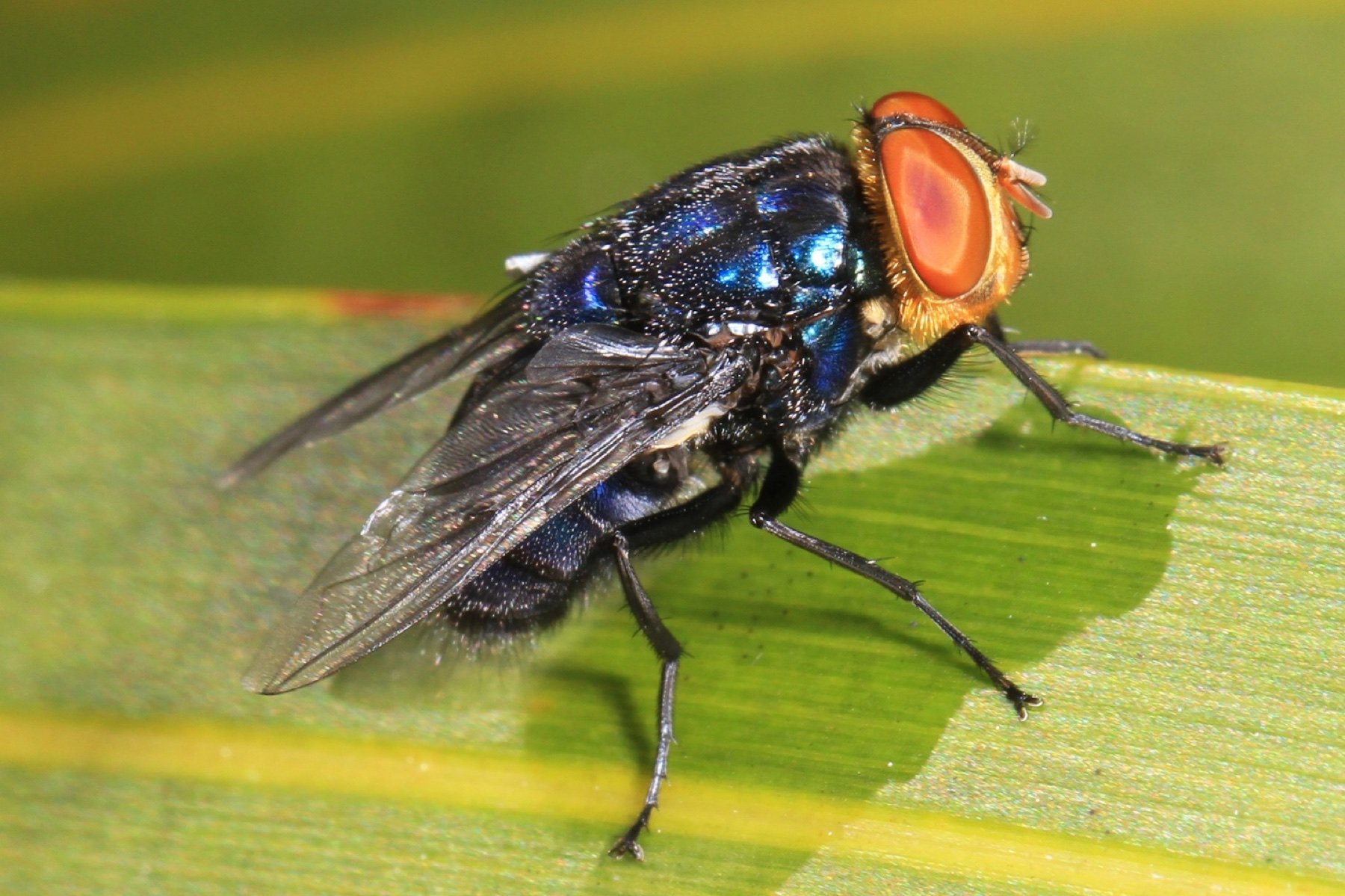
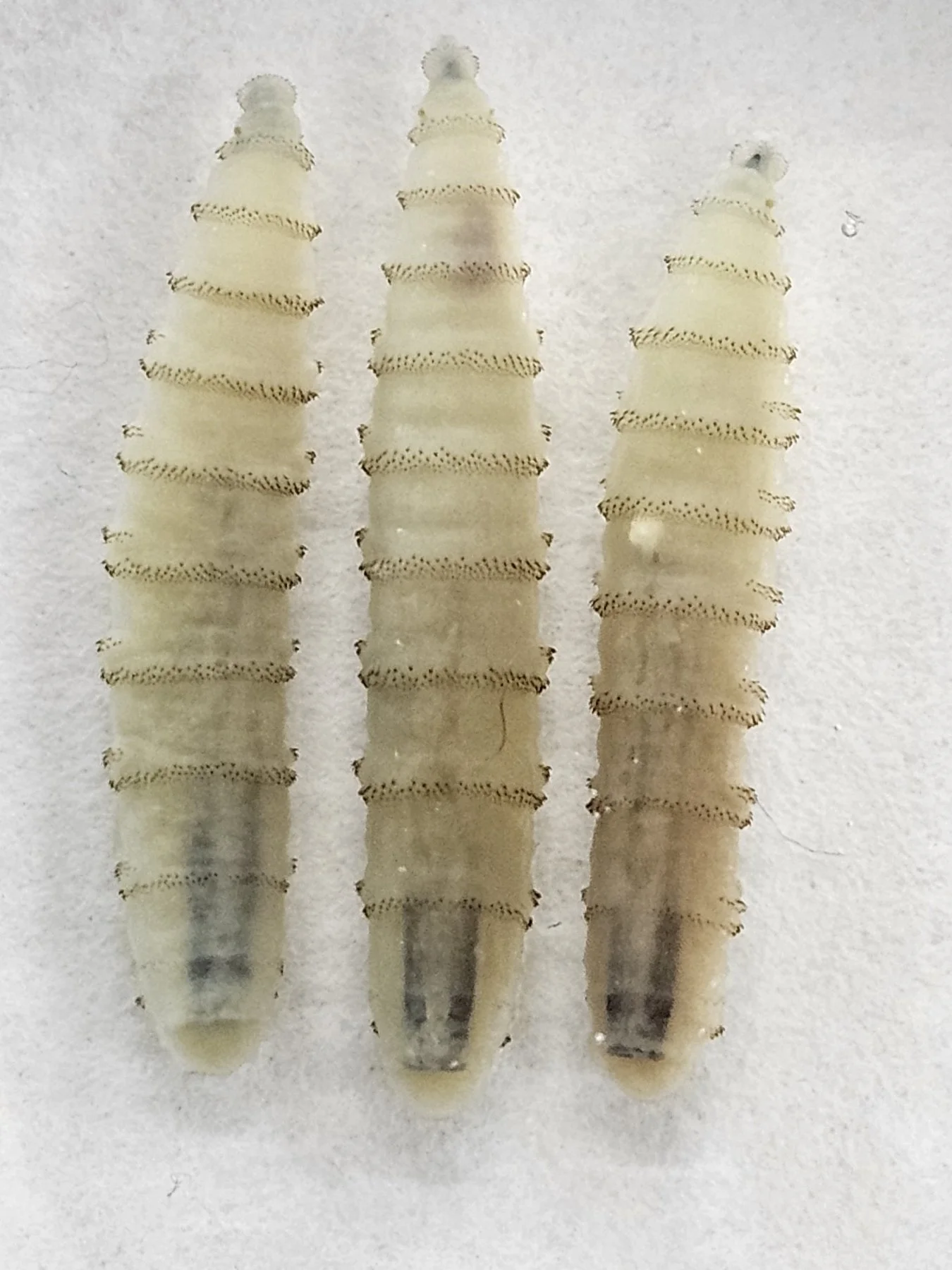
Current projects include: (1) secondary screwworm (Cochliomyia macellaria) larval and adult behavior, building foundational knowledge relevant to animal health and surveillance; (2) New World screwworm (Cochliomyia hominivorax) preparedness, including stakeholder needs assessments and early-detection surveillance design; (3) Turkestan cockroach (Periplaneta lateralis) biology and management—quantifying life history traits, testing sustainable control tools, and developing behavior-informed IPM protocols suited for arid environments; (4) behavioral resistance to insecticides in pest insects (especially house flies), focusing on how behavior can undermine chemical control even when physiological resistance isn’t obvious; and (5) evaluating repellent impacts on biting flies (horn flies and stable flies) and cattle defensive behaviors, linking pest pressure to animal welfare and production-relevant outcomes. Across these systems, our goal is the same: translate rigorous behavioral and ecological data into actionable, sustainable control solutions.
I lead New World screwworm outreach focused on improving early detection and rapid response readiness across New Mexico and the Southwest. Through hands-on trainings, workshops, and webinars, we teach stakeholders how to recognize suspect infestations, conduct efficient animal inspections, and use surveillance tools while following clear reporting and response workflows. These efforts are guided by stakeholder input so materials and protocols are practical, locally relevant, and easy to implement in the field.