Join the Lab
Build your research experience with us
Current status: We welcome inquiries from prospective undergraduate and graduate researchers. Specific funded openings are posted here when available.
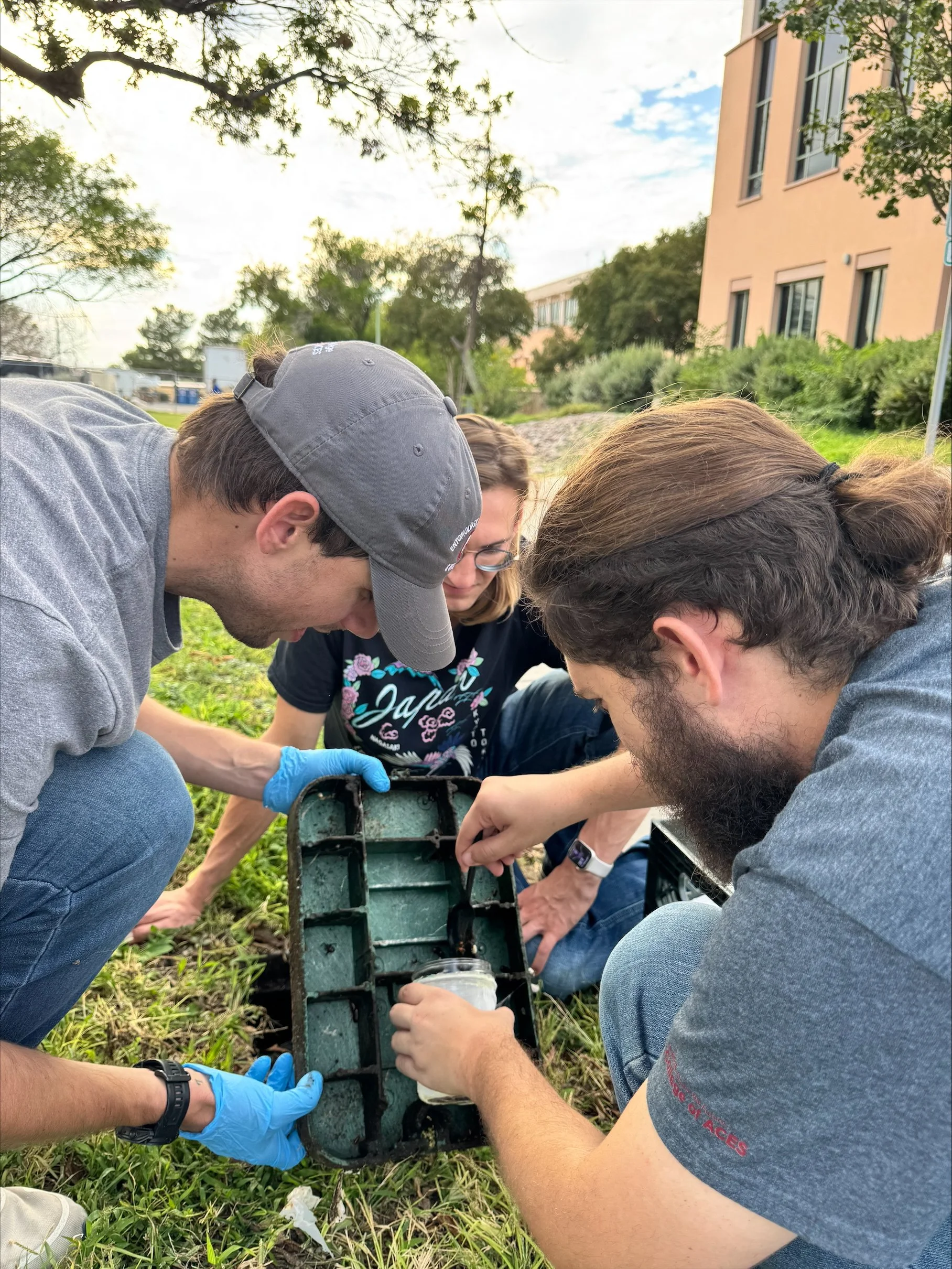
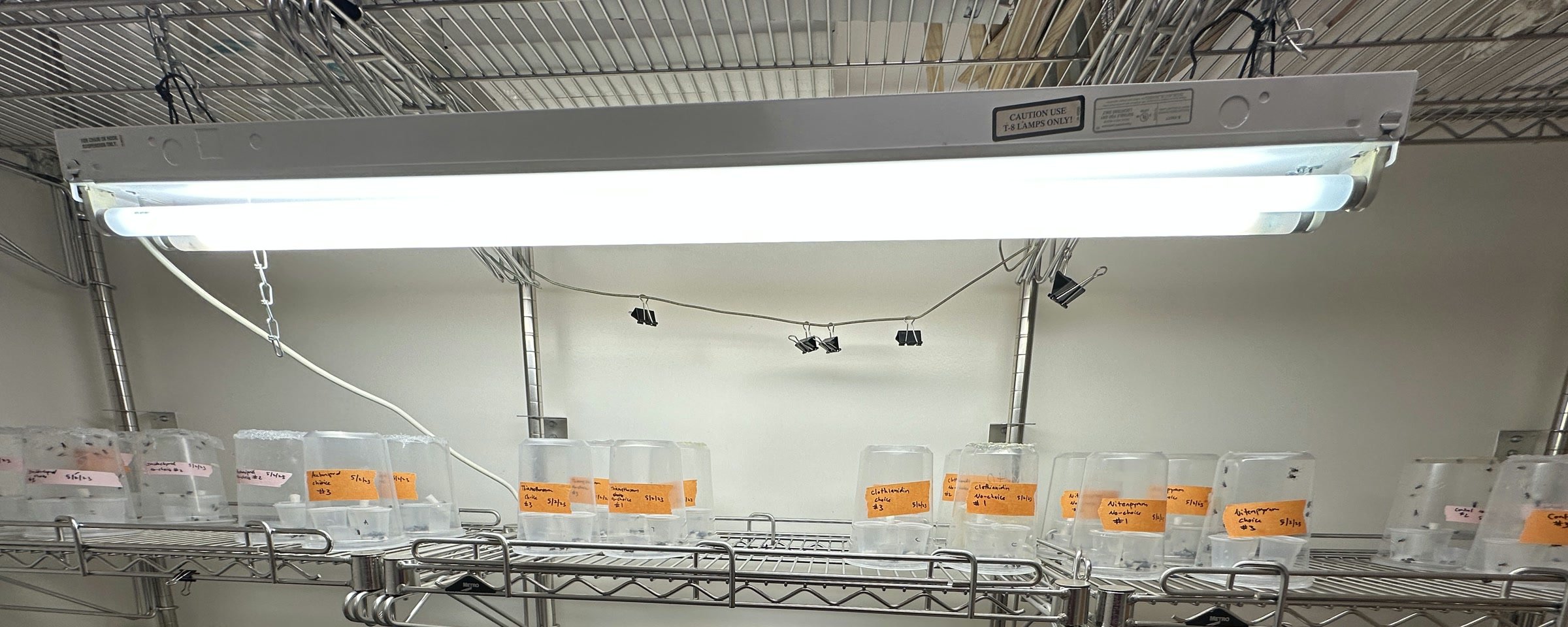
Students in the Hubbard Lab develop skills in experimental design, insect rearing, field and laboratory methods, quantitative analysis, scientific writing, and professional communication.
-
The lab welcomes inquiries from prospective postdoctoral scholars when funded positions or fellowship opportunities are available. Specific openings are posted on this page.
Strong candidates bring a clear research direction related to insect behavior, resistance, integrated pest management, surveillance, or One Health; a strong record of publication and research follow-through; and the ability to design projects, analyze data, write clearly, and mentor students.
How to inquire
Email calebh@nmsu.edu with a CV, a brief research and career statement, one or two writing samples, and a short description of how your work would extend a current lab direction or introduce a complementary one.
-
The lab welcomes inquiries from research scientists and project staff when positions or funded projects are available. Specific openings are posted on this page.
Strong candidates bring experience with experimental design, field and laboratory coordination, research documentation, data management, and clear communication with students and partners.
How to inquire
Email calebh@nmsu.edu with a CV, a short description of your research or technical strengths, and an example of a project you managed.
-
The Hubbard Urban Entomology Lab welcomes inquiries from prospective M.S. and Ph.D. students interested in behaviorally informed pest management across urban and One Health systems. Our work connects insect behavior, insecticides and resistance, integrated pest management, and, when relevant, genetic and genomic tools to solve applied problems.
Strong applicants will:
• Demonstrate a clear interest in insect behavior, insecticides and resistance, or integrated pest management.
• Review recent publications or the New World screwworm resource page and explain how your interests connect with the lab.
• Bring a specific research question or direction you would like to explore.
Training and expectations
Graduate students develop skills in experimental design, field and laboratory methods, quantitative analysis, scientific writing, and professional communication. Strong documentation, research integrity, and steady progress are expected.
Publication expectations
M.S. research should support at least one first-author manuscript. Ph.D. research should support at least two first-author manuscripts. Submission before graduation is expected whenever feasible.
How to apply
Email calebh@nmsu.edu with a brief statement of research interests and career goals, your CV, and a short paragraph describing two recent publications or public resources you reviewed and one research idea you would like to pursue.
-
The lab welcomes inquiries from undergraduates seeking research experience in insect behavior and applied pest management. Students begin with structured training in colony care, trap checks, specimen sorting and identification, data entry, and basic bioassays. With experience, they may develop independent projects, present posters, and contribute to publications.
What we look for
• Dependability and consistent weekly availability during the semester.
• Careful attention to safety, documentation, and data quality.
• Willingness to ask questions and learn new techniques.
How to inquire
Email calebh@nmsu.edu with a resume or short summary of coursework and experience, your weekly availability, what you hope to learn, and one research topic or public resource on this website that interests you.
-
Send application materials by email to calebh@nmsu.edu with the opportunity type in the subject line, such as Graduate Student Inquiry or Undergraduate Researcher. Combine your materials into a single PDF when practical. Use the form below for general questions, not to submit application files.
We review inquiries on a rolling basis. Prospective graduate students should also review the admission requirements for the M.S. and Ph.D. programs in the Department of Entomology, Plant Pathology and Weed Science at NMSU. Funded positions are posted here and on the News page as they become available.