Hubbard Lab · New Mexico State University
New World
screwworm
Awareness, reliable resources, and preparedness for New Mexico and the Southwest.
Find guidance & resources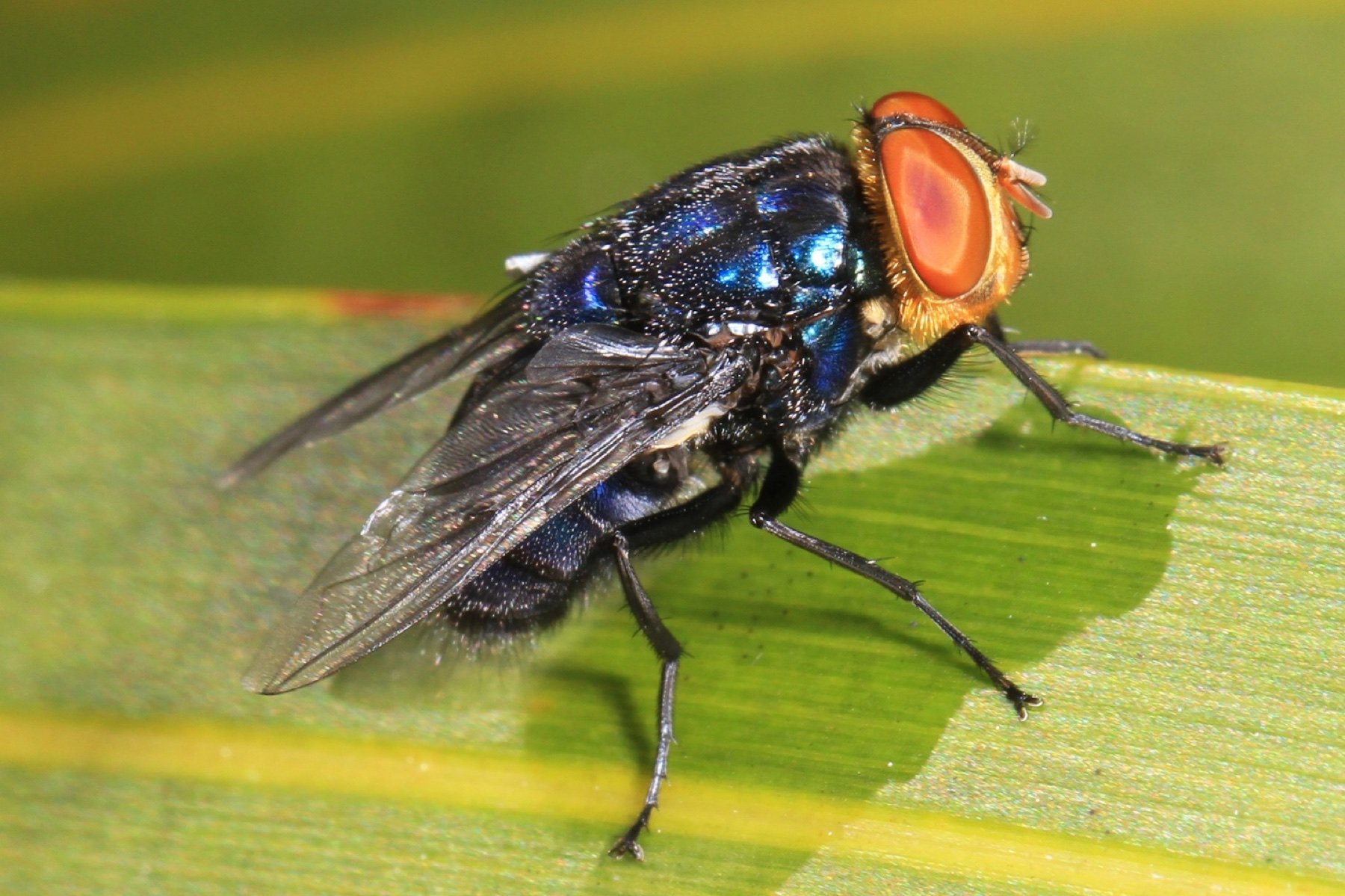
Official resources
Start with trusted sources.
Find current updates, regional contacts, and illustrated guidance from the agencies below.
Current status
Official updates on New World screwworm detections and the federal response.
View USDA updates New MexicoLocal guidance
New Mexico resources, reporting information, and animal health contacts.
Visit the New Mexico hub NMSU ExtensionAdult identification guide
Guide A-156 provides illustrated reference material for trained professionals.
Read the NMSU guideUnderstand the pest
Recognition begins with the right reference.
New World screwworm (Cochliomyia hominivorax) is a parasitic fly whose larvae feed on living tissue. It can affect livestock, wildlife, pets, and people. Early recognition and professional assessment matter.
Several blow flies look similar. These images support learning; a suspected case requires assessment by qualified professionals.
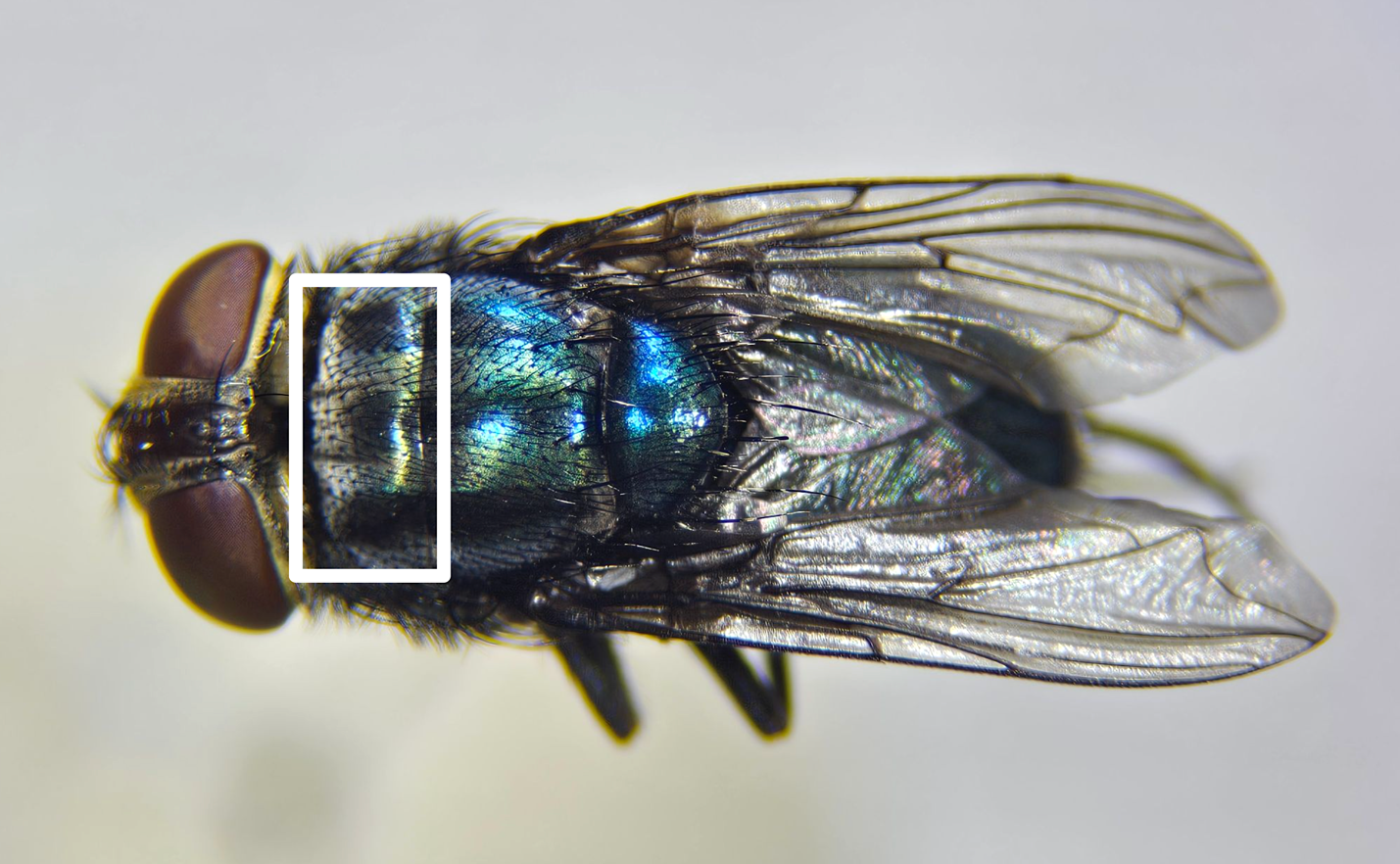
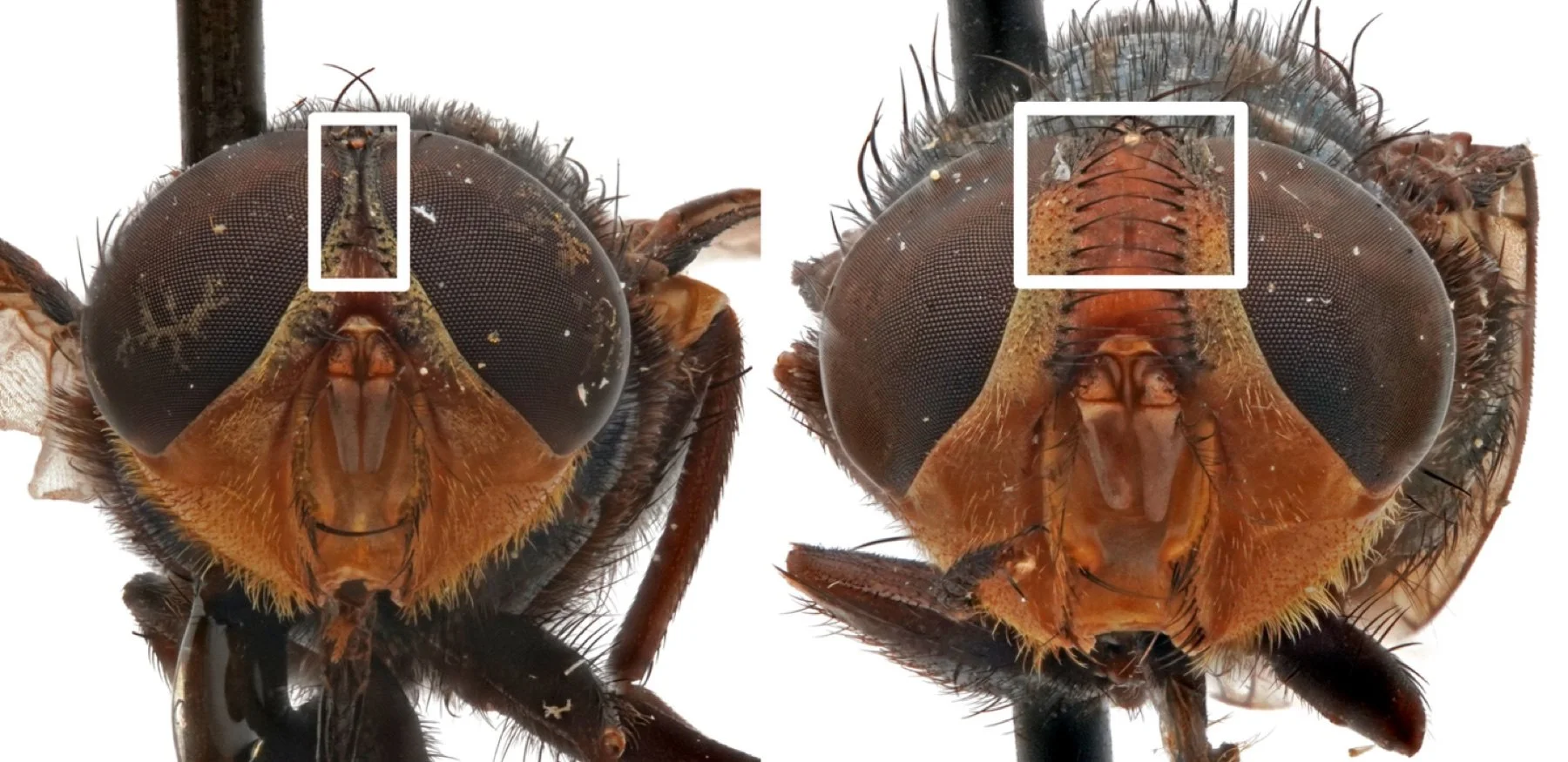
The thoracic marking shown is not a reliable standalone identifier. Appearance alone does not confirm a case. See NMSU Guide A-156 for context.
Our research & outreach
Supporting preparedness in the Southwest.
The Hubbard Lab connects entomology, education, and regional preparedness through:
- Identification and reporting resources, professional training, and preparedness communication.
- Surveillance and trapping expertise to support informed planning.
- Research on secondary screwworm (Cochliomyia macellaria), blow fly behavior, and biological control.
Secondary screwworm generally feeds on dead or decomposing tissue and is distinct from New World screwworm.
Contact the lab about education or collaboration →